 By Jaelyn Larry
Trading refers to the buying and selling of financial assets such as stocks, currencies, commodities, or cryptocurrencies with the aim of generating profit. Unlike long-term investing, trading typically involves shorter timeframes and relies on market analysis, timing, and strategy. It plays a vital role in global financial markets by providing liquidity and enabling price discovery.
How Trading Works
Market Participation
Traders buy assets at lower prices and aim to sell them at higher prices or profit from market movements using various strategies.
Market Analysis
Successful trading depends on analyzing price patterns, economic data, and market trends. Traders often use:
- Technical analysis
- Fundamental analysis
- Sentiment analysis
Trading Platforms
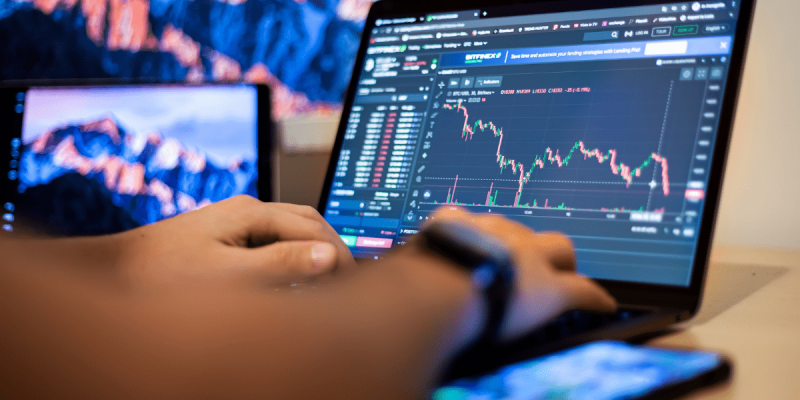
Most trading occurs through online platforms that provide real-time charts, order execution, research tools, and risk management features.
Order Types
Common order types include:
- Market orders
- Limit orders
- Stop-loss orders
- Take-profit orders
Types of Trading
Day Trading
Buying and selling assets within the same trading day. It requires quick decision-making and constant market monitoring.
Swing Trading
Holding assets for several days or weeks to capture short-to-medium-term price movements.
Position Trading
A long-term approach where traders hold positions for months, focusing on major market trends.
Scalping
A fast-paced strategy involving small, frequent trades to take advantage of tiny price changes.
Algorithmic Trading
Using automated systems and mathematical models to execute trades at high speeds.
Crypto Trading
Buying and selling digital currencies like Bitcoin, Ethereum, and altcoins, often in highly volatile markets.
Key Elements of Successful Trading
Risk Management
Managing losses is essential for trading longevity. Traders use stop-losses, position sizing, and diversification to control risk.
Discipline
Emotion-driven decisions can lead to losses. A disciplined approach ensures adherence to strategies and trading plans.
Market Knowledge
Understanding market dynamics, trends, and external factors improves decision-making.
Strategy Development
Effective traders develop strategies that match their goals, risk tolerance, and time commitment.
Continuous Learning
Markets evolve, and traders must stay updated on news, trends, and new trading tools.
Benefits of Trading
Profit Potential
Traders can earn returns from both rising and falling markets depending on their strategies.
Flexibility
Trading offers flexible hours, especially in markets like forex and crypto, which operate around the clock.
Skill Development
Trading enhances analytical thinking, discipline, and financial planning skills.
Accessibility
Online trading platforms make it easy for beginners to enter the market with minimal capital.
Risks Involved in Trading
High Volatility
Rapid price fluctuations can lead to significant losses.
Emotional Pressure
Markets can trigger stress, fear, and impulsive decisions.
Overtrading
Excessive trading often results in unnecessary losses and reduced profits.
Market Uncertainty
News events, global changes, and economic shifts can impact market behavior unpredictably.
Tips for Beginners
Start Small
Begin with a modest amount to understand the market without risking too much.
Use a Demo Account
Practice trading with virtual funds before committing real money.
Set Clear Goals
Define profit targets, risk limits, and trading style.
Educate Yourself
Learn through courses, books, webinars, and market analysis.
Avoid Emotional Trading
Stick to your plan and avoid making decisions based on fear or greed.
FAQs
1. Do I need a large amount of money to start trading?
No. Many platforms allow trading with low minimum deposits, making it accessible for beginners.
2. Is trading the same as investing?
No. Trading focuses on short-term price movements, while investing aims for long-term growth.
3. What markets are best for beginners?
Stocks, ETFs, and forex are popular choices due to their liquidity and availability of learning resources.
4. How much time does trading require each day?
It depends on your trading style. Day trading requires several hours, while swing or position trading requires less frequent monitoring.
5. Can trading be a full-time career?
Yes. Many traders work full-time, but it requires experience, consistent profitability, and a strong understanding of financial markets.
6. What tools do traders commonly use?
Charting software, news feeds, trading platforms, and risk management tools are essential for effective trading.
7. How can I control risk while trading?
Using stop-loss orders, limiting position size, diversifying assets, and sticking to a trading plan can significantly manage risk.