 By Jaelyn Larry
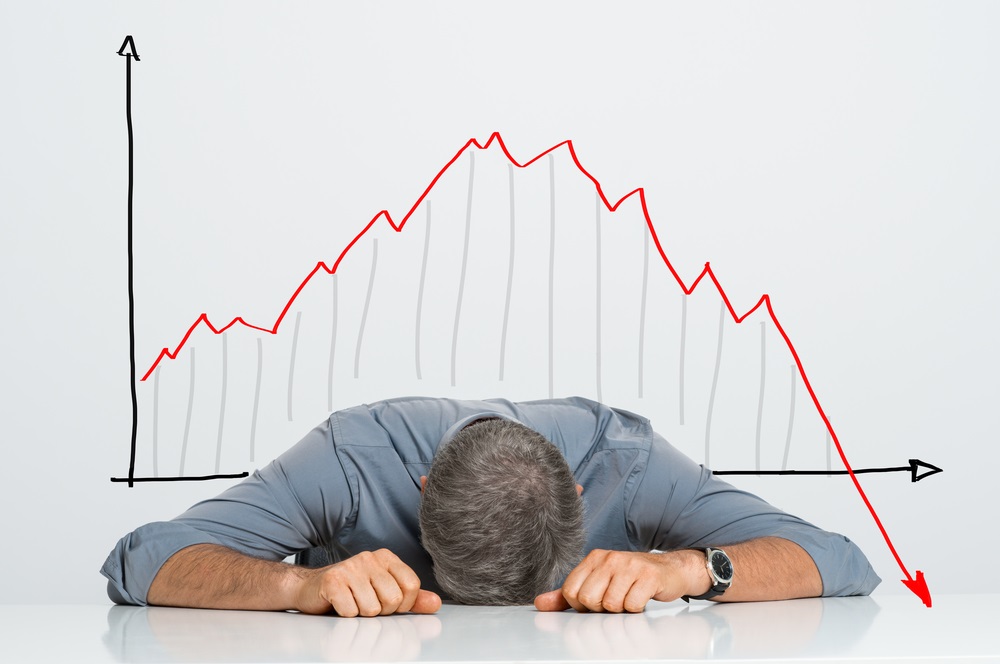
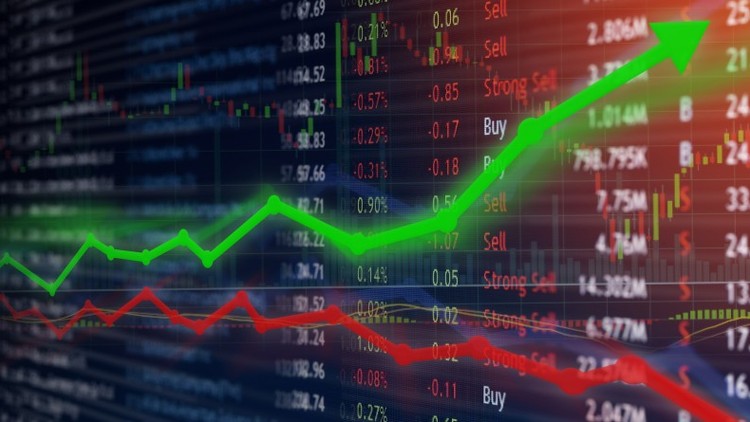
Market volatility often sparks mixed emotions among investors. For some, it’s a source of anxiety, signalling uncertainty and potential loss. For others, it represents an opportunity to enter the market strategically.
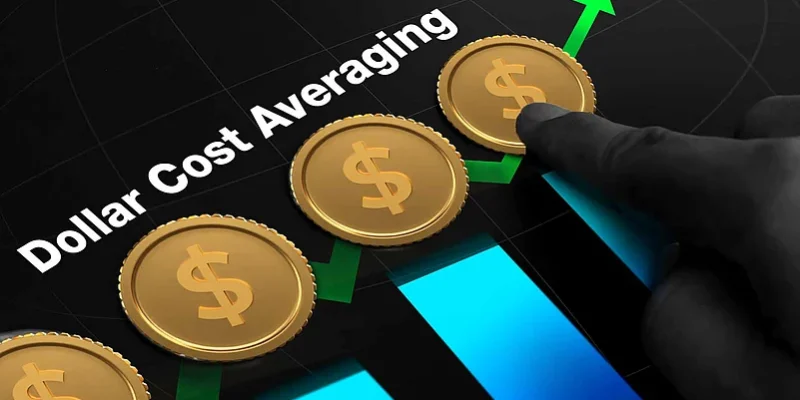
While timing the market remains one of the most elusive pursuits, experienced investors know that disciplined approaches tend to deliver more consistent outcomes than emotional reactions. One such approach is dollar-cost averaging (DCA), a method that balances patience with tactical entry points, particularly when markets are turbulent.
Understanding Dollar-Cost Averaging
With dollar-cost averaging, the same amount of capital is invested periodically, whether markets are rising or falling. Instead of committing a lump sum in one go, investors spread their purchases over time. This process smooths out entry points, reducing the impact of short-term price swings.
For example, imagine investing $1,000 per month into an equity index fund. When markets fall, your fixed contribution buys more shares at lower prices; when markets rise, you accumulate fewer shares at higher prices. Over time, the average cost per share tends to level out, mitigating the risk of buying entirely at a peak.
Why Volatility Creates Opportunity
Volatility can feel daunting, but it also creates fertile ground for disciplined strategies. When prices swing rapidly, the temptation to make reactive decisions intensifies. Some investors may rush to exit positions at a loss, while others may attempt to “buy the dip” and mistime their entry.
Dollar-cost averaging provides a counterbalance to this behaviour. By sticking to a schedule, investors avoid the emotional highs and lows of the market. This consistency often leads to:
- Risk mitigation: Reduces the impact of poor timing by averaging purchase prices.
- Psychological comfort: Prevents impulsive decisions based on fear or greed.
- Participation in recovery: Ensures ongoing market exposure, capturing gains when markets rebound.
For experienced investors, these benefits are not just about reducing stress—they are about optimizing portfolio resilience during unpredictable cycles.
Tactical Use of DCA for Experienced Investors
While dollar-cost averaging is often viewed as a beginner’s tool, seasoned investors can apply it with more tactical precision.
Pairing with Market Analysis
Rather than applying DCA blindly, experienced investors may align contributions with broader market trends. For instance, increasing contributions slightly during downturns can accelerate accumulation at favourable prices while still adhering to a structured plan.
Diversifying Across Asset Classes
Volatility rarely affects all markets equally. Equity markets may experience turbulence while bonds or commodities behave differently. Applying DCA across multiple asset classes can spread risk and uncover opportunities in areas that tend to thrive under specific conditions.
Scaling Contributions
Advanced investors may also employ a “value averaging” twist, where contributions increase when asset prices are lower and decrease when prices are higher. This combines the discipline of DCA with a tactical overlay that capitalizes more aggressively on market dips.
Long-Term Alignment
Even tactical investors must remain anchored to long-term objectives. DCA is not designed for short-term speculation but for gradually building exposure in line with broader financial goals such as retirement, wealth preservation, or generational transfers.
The Psychological Edge
One of the most overlooked advantages of dollar-cost averaging is the psychological discipline it instils. Market volatility is inherently stressful, and even experienced investors can struggle with the urge to act impulsively. DCA provides a structured framework that promotes consistency over reaction.
By committing to a schedule, investors gain confidence that they are participating in the market without needing to predict its every move. This approach reduces the likelihood of costly missteps, such as panic-selling during downturns or overextending during euphoric rallies.
Practical Considerations
Experienced investors looking to implement or refine DCA during volatile times should keep the following in mind:
- Liquidity management: Ensure that regular contributions do not compromise short-term cash needs.
- Transaction costs: Frequent small trades can erode returns if fees are high. Opt for platforms that minimize costs for recurring investments.
- Portfolio reviews: While the strategy is systematic, it’s important to periodically reassess asset allocation, risk tolerance, and long-term objectives.
- Tax implications: In some jurisdictions, frequent purchases may create tax complexities. Planning ahead with a tax advisor is advisable.
For those wanting a deeper breakdown of the mechanics and benefits of this approach, you can check here for an extended guide on dollar-cost averaging during volatility.
Balancing Patience and Precision
Dollar-cost averaging shines when markets are unpredictable because it strikes a balance between patience and precision. Instead of waiting endlessly for the “perfect” entry point, investors commit steadily, allowing the strategy to work in their favour over time. Yet, seasoned investors can add layers of tactical refinement—scaling, diversifying, or integrating market signals—to make DCA an even more powerful tool.
Conclusion
In times of volatility, markets tend to reward discipline over prediction. Dollar-cost averaging exemplifies this principle, offering investors a way to stay engaged without succumbing to emotional pitfalls. For experienced investors, the strategy is not just about smoothing out returns—it is about preserving mental clarity, capitalizing on opportunities, and aligning actions with long-term goals.
Volatility will always be part of investing. But with the tactical use of dollar-cost averaging, investors can turn uncertainty into an ally, reinforcing the idea that consistency and discipline often prove more valuable than perfect timing.