
 By Jaelyn Larry
A loan is a financial agreement in which a lender provides money to a borrower with the expectation that it will be repaid over time, usually with interest. Loans help individuals and businesses cover expenses, invest in opportunities, and manage financial gaps that cannot be met with available cash.
How Loans Work
Borrowing and Repayment
The borrower receives a lump sum or credit access and repays it through scheduled installments or full balances, depending on the loan type.
Interest Rates
Interest is the cost of borrowing. Rates can be fixed or variable, and they influence the total repayment amount.
Loan Terms
Loan contracts specify repayment periods, fees, conditions, and penalties. Understanding these terms is essential before signing.
Credit Evaluation
Lenders review credit scores, income, employment history, and existing debts to determine loan approval and interest rates.
Types of Loans
Personal Loans
Unsecured loans used for various purposes such as medical bills, travel, home repairs, or emergencies.
Auto Loans
Financing used to purchase a vehicle. These loans are secured by the car itself.
Home Loans (Mortgages)
Long-term loans designed for home buying or real estate investment. They typically offer lower interest rates due to collateral.
Student Loans
Loans used to pay for education-related expenses. They often have flexible repayment plans.
Business Loans
Used by companies to expand operations, purchase equipment, or manage cash flow.
Credit Lines
Revolving credit that allows borrowers to withdraw funds up to a set limit. Interest applies only to the amount used.
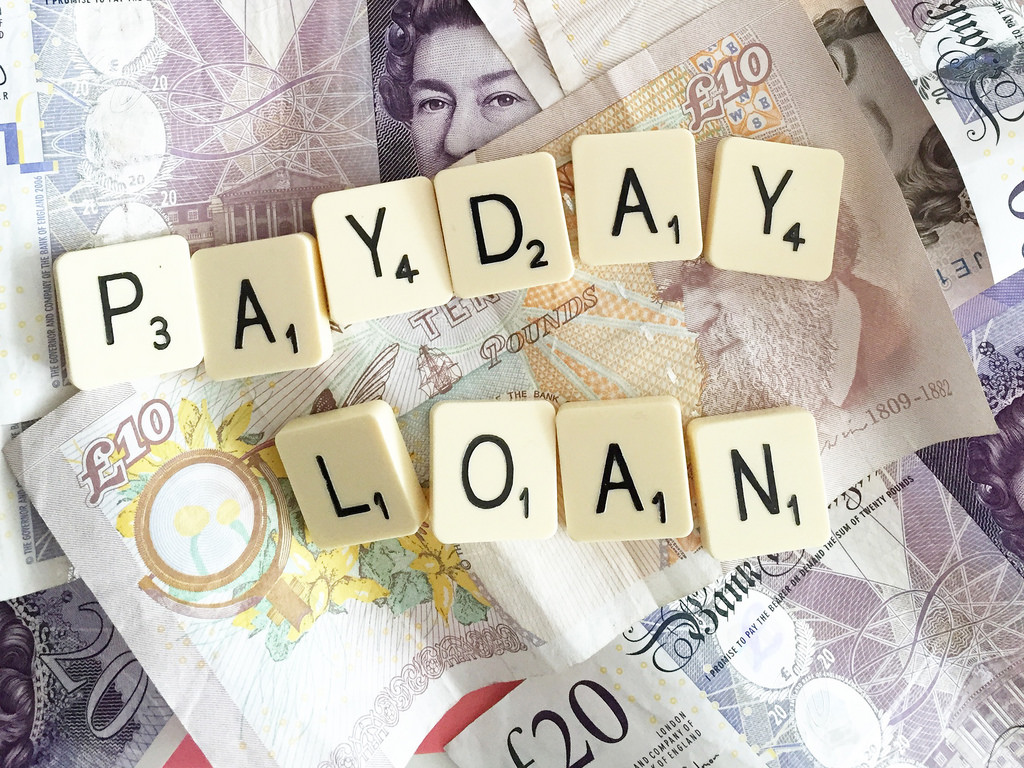
Payday Loans
Short-term, high-interest loans meant for immediate financial needs. They carry significant risk and should be used cautiously.
Benefits of Taking a Loan
Access to Immediate Funds
Loans provide financial support when resources are insufficient.
Opportunity to Invest
Borrowing can finance business growth, education, or property, which may offer long-term benefits.
Builds Credit History
Timely repayments help strengthen a borrower’s credit score.
Flexible Use
Many loans, especially personal loans, can be used for a wide range of purposes.
Risks Associated With Loans
High Interest Costs
Poor credit or risky loan types may result in expensive repayments.
Debt Accumulation
Borrowers may face financial stress if they take on more debt than they can manage.
Collateral Risk
Secured loans may put assets at risk if repayments are missed.
Hidden Fees
Some loans include penalties, processing charges, or prepayment fees that increase total cost.
How to Borrow Responsibly
Assess Your Financial Situation
Understand income, expenses, and repayment ability before applying.
Compare Lenders
Review interest rates, loan terms, and fees from multiple providers.
Borrow Only What You Need
Limiting loan amounts helps control debt and interest costs.
Check Your Credit Score
Improving credit can secure better loan terms.
Read Loan Agreements Carefully
Avoid signing until all fees, conditions, and repayment terms are clear.
Plan a Repayment Strategy
Budgeting for monthly payments prevents missed installments and financial strain.
FAQs
1. What is the difference between secured and unsecured loans?
Secured loans require collateral, while unsecured loans do not. Unsecured loans generally have higher interest rates.
2. How does my credit score affect loan approval?
Higher credit scores improve approval chances and lead to lower interest rates because they show responsible borrowing history.
3. Can I repay a loan early?
Many lenders allow early repayment, but some may charge prepayment penalties. Always check loan terms beforehand.
4. What happens if I miss a loan payment?
Missed payments can lead to late fees, interest hikes, and negative impacts on your credit score.
5. Is it possible to get a loan with bad credit?
Yes. Some lenders offer bad-credit loans, but they usually come with higher interest rates and stricter conditions.
6. What is the loan tenure?
It is the period over which the borrower repays the loan. It can range from a few months to several decades, depending on the loan type.
7. How do I choose the best loan for my needs?
Evaluate your financial goals, compare interest rates, assess repayment flexibility, and choose a loan that aligns with your budget and purpose.