
 By Jaelyn Larry
What Is Credit?
Credit refers to the ability to borrow money or access goods and services with the agreement to pay later. It allows individuals and businesses to make purchases, invest, or manage financial needs even without immediate cash. Credit plays a major role in modern financial systems and influences opportunities like loans, housing, and long-term investments.
Why Credit Matters
Financial Flexibility
Credit provides access to funds when needed, helping individuals handle emergencies, make large purchases, or manage cash flow gaps.
Improved Purchasing Power
It enables people to buy high-value items such as vehicles, homes, or business equipment through structured repayment plans.
Building Credit History
Using credit responsibly helps build a strong credit profile, making it easier to qualify for lower interest rates and better financial opportunities.
Business Growth
Credit helps companies scale operations, invest in new resources, and manage operating expenses more efficiently.
Types of Credit
Revolving Credit
This type allows borrowers to repeatedly use and repay funds up to a set limit.
Common examples include:
- Credit cards
- Personal lines of credit
- Home equity lines of credit (HELOCs)
Installment Credit
Borrowers receive a fixed amount of money and repay it over scheduled installments.
Examples include:
- Mortgages
- Auto loans
- Personal loans
- Student loans
Open Credit
Typically used for services that require full repayment each billing cycle.
Examples:
- Utility bills
- Mobile service payments
- Charge cards
How Credit Scores Work
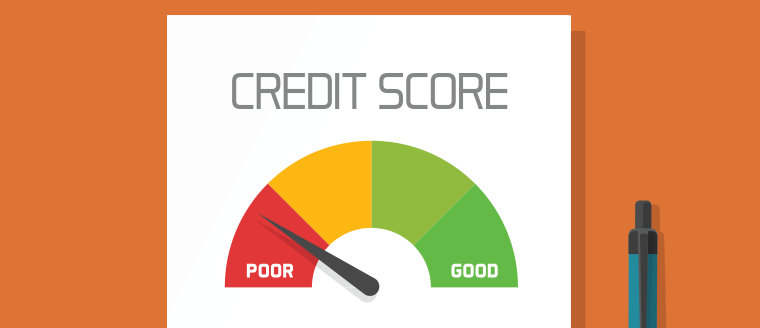
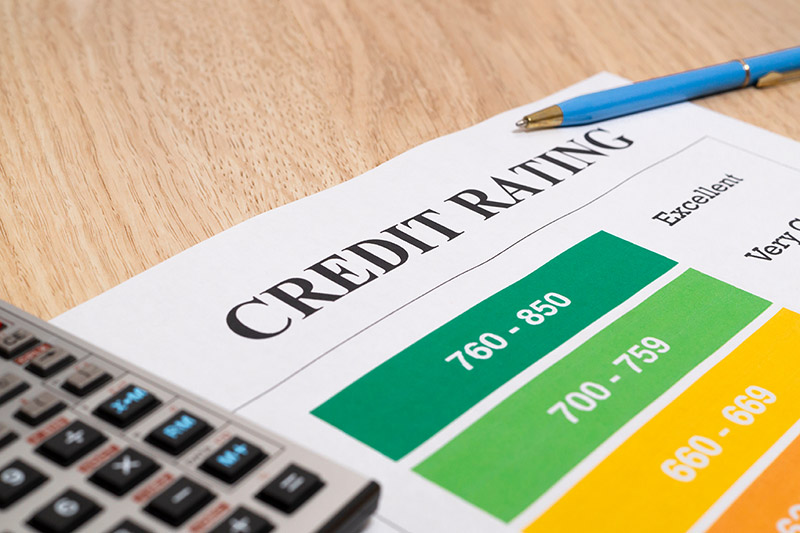
A credit score is a numerical representation of your creditworthiness. It is based on factors such as:
- Payment history
- Credit utilization ratio
- Length of credit history
- Types of credit used
- Recent credit inquiries
Higher credit scores indicate responsible credit use and improve approval chances for new credit.
Benefits of Good Credit
Lower Interest Rates
Lenders offer better terms and lower borrowing costs to individuals with strong credit histories.
Higher Approval Chances
Good credit increases the likelihood of approval for loans, credit cards, and rental applications.
Better Insurance Rates
Some insurers use credit-based scoring to determine premiums.
Negotiating Power
A strong credit profile gives borrowers more leverage when discussing loan terms.
How to Manage Credit Responsibly
Pay Bills on Time
Timely payments are the most influential factor in maintaining a healthy credit score.
Keep Balances Low
Aim to use less than 30% of available credit for better credit utilization.
Avoid Unnecessary Credit Applications
Multiple inquiries can temporarily lower your score.
Regularly Review Credit Reports
Monitoring credit helps detect errors, fraud, or identity theft early.
Use a Mix of Credit Types
Responsible use of both revolving and installment credit can strengthen your credit profile.
Common Misconceptions About Credit
Carrying a Balance Helps Your Score
This is false. Paying off your balance in full benefits your credit and avoids interest charges.
Checking Your Own Score Lowers It
Self-checks do not affect your score; only hard inquiries from lenders do.
No Credit Equals Good Credit
Lack of credit history can make it difficult to qualify for loans or favorable terms.
FAQs
1. What is the difference between a credit score and a credit report?
A credit score is a numerical rating, while a credit report contains detailed historical information about your credit behavior.
2. How often should I check my credit report?
Checking it at least once a year is recommended to ensure accuracy and detect any issues early.
3. Can I build credit without a credit card?
Yes. Options include secured loans, rent-reporting services, and becoming an authorized user on someone else’s account.
4. How long do negative items stay on a credit report?
Most negative entries remain for about seven years, though some like bankruptcies can stay longer.
5. Does paying off a loan early affect my credit?
Paying early can help reduce interest costs. In most cases, it will not harm your credit score.
6. What should I do if I find an error on my credit report?
You can dispute the error with the reporting agency and the creditor to have it corrected.
7. Is it possible to rebuild damaged credit?
Yes. Consistent on-time payments, lowering debt, and avoiding new negative marks can significantly improve your score over time.